How to get someone into rehab Phoenix
How to get someone into rehab Phoenix starts with one calm conversation. SAMHSA lists 200 facilities in the area, including 40 residential and 42 detox programs. This guide walks through each step before it happens.
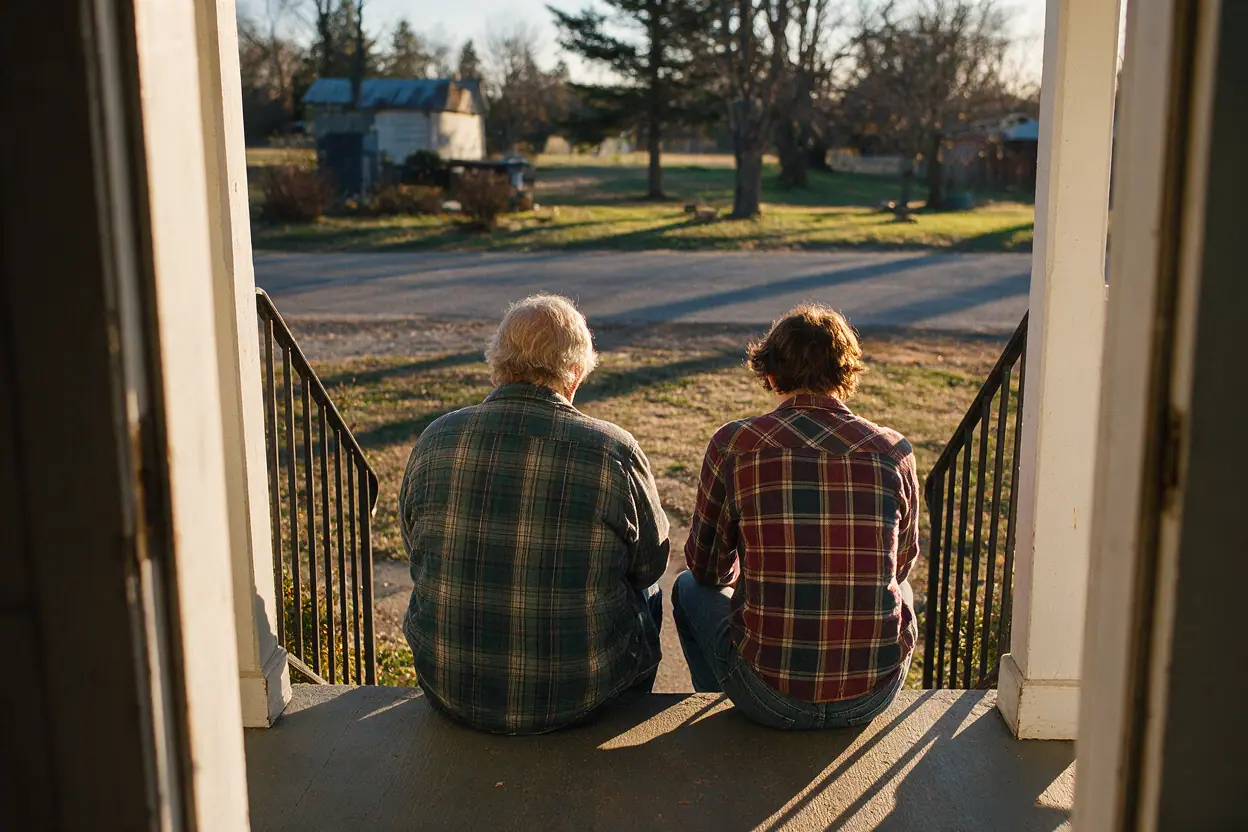
You are not being asked to diagnose anyone or force a decision. The work here is quieter than that: gathering a few facts, choosing a calm moment, and knowing what happens next. Phoenix has a wide range of treatment options, and the right one depends on the person in front of you, not on a sales pitch. SAMHSA lists 200 facilities in the Phoenix area, including 40 residential and 42 detox programs that families can compare before calling.
This guide draws on years of answering intake calls. It covers how to start the conversation, what to avoid saying, and how to care for yourself while someone you love decides what to do. Advisors who connect callers with licensed programs answer the helpline; calling costs nothing, stays private, and obligates no one. Families in Phoenix can ask the free helpline about levels of care without committing anyone to treatment or promising coverage.
What to avoid when helping in Phoenix
- Avoid shaming words. Calling someone an addict or a junkie hardens defenses. Say person with a substance use disorder or someone who drinks heavily, and keep the focus on behavior you have seen. Plain language about a substance use disorder helps more than labels when you are talking with someone you love in Phoenix.
- Avoid promising outcomes. You cannot guarantee coverage, admission, or results, and neither can a program. Say what you know: there are 200 SAMHSA-listed facilities in the Phoenix area and advisors can explain the first steps. Calling the free helpline gives you facts about rehab in Phoenix without promising admission or insurance coverage.
- Avoid surprise interventions that feel like ambushes. If you plan a group conversation, tell the person beforehand. Trust matters more than drama, and a calm plan tends to hold up better than a staged confrontation.
- Avoid giving medical advice, especially about tapering. Alcohol and benzodiazepine withdrawal can be dangerous when no clinician is involved. Leave dosing and detox decisions to licensed medical staff and say so plainly.
Support for family members in Phoenix
Your own support counts while someone else weighs treatment. Al-Anon and Nar-Anon are free peer groups for people affected by another person's drinking or drug use, and many SAMHSA-listed facilities in Phoenix offer family counseling. If you are in crisis, call or text 988. Family counseling is offered by many listed facilities in Phoenix, and asking about it early can help you stay steady through a long process. These are not extras; they are how families keep going. Arizona families can use Al-Anon, Nar-Anon, and family therapy while they learn how to get someone into rehab Phoenix without losing themselves in the process.

How to get someone into rehab Phoenix
- 1
Pick a calm, private moment
Choose a time when neither of you is rushed, hungry, or upset. A quiet walk or the kitchen table after breakfast works better than a crisis. Say you want to talk because you care, not because you have a list of complaints.
- 2
Lead with what you have seen, not labels
Describe specific things: missed work, sleep changes, money problems, or withdrawal symptoms like shaking. Say I noticed rather than you always. People with a substance use disorder often expect judgment, so plain observations land more safely.
- 3
Ask what they think is happening
Give them space to respond. They may already be concerned, or they may brush it off. Either reaction tells you something useful. If they mention physical symptoms, take that seriously: ending alcohol or benzodiazepines can be dangerous and a medical team should monitor it.
- 4
Offer options instead of ultimatums
Mention that treatment ranges from outpatient programs to residential care and detox. Phoenix has 162 outpatient and 40 residential options listed through SAMHSA, so you can match the level of care to their situation rather than the other way around.
- 5
Suggest a call to the free helpline together
The helpline at 1-800-662-4357 is free, confidential, and staffed 24/7 by SAMHSA. If they prefer, you can call first to ask questions. Advisors work with licensed providers and can explain intake without promising admission or coverage.

Questions
How do people afford to go to rehab in Phoenix?
Start by asking each program how it handles insurance, self-pay, and sliding-scale fees. AHCCCS, Arizona's Medicaid program, may cover some substance use treatment for adults who qualify, and the federal parity law shapes how many insurance plans pay for behavioral health. A single free call to 1-800-662-4357 can help you sort through the options; no one can guarantee coverage in advance. Prices and payment arrangements vary widely among the 200 SAMHSA-listed facilities in the area, so check with each one directly.
Does AHCCCS cover inpatient rehab for substance abuse?
Arizona's Medicaid program, AHCCCS, pays for certain behavioral health services for members who qualify, but the exact level of care hinges on medical need and the plan. Ask the facility directly if it takes AHCCCS and what authorization it needs. Not every one of the 40 residential facilities listed in the Phoenix area accepts Medicaid, so check before you make plans. The free helpline can help you figure out which coverage questions to ask.
What is the drug problem like in Phoenix, Arizona?
Phoenix, like many large cities, sees a mix of alcohol, opioid, and methamphetamine-related treatment needs. Rather than rely on broad claims, look at what is available: SAMHSA lists 42 detox and 40 residential facilities in the area, along with 162 outpatient programs. Those numbers suggest a range of care levels, but availability changes, so call ahead. The free helpline can tell you which levels of care are currently listed near you.
How long is the average stay in inpatient rehab?
There is no single average, and any program that quotes one is guessing. Length of stay depends on the person's medical needs, insurance authorization, and progress. Detox may take days, while residential care often runs weeks. Ask each Phoenix facility how they set discharge dates and what aftercare they arrange. Among the 40 residential options listed, schedules and lengths vary, so compare a few before deciding.
What are the types of rehabs available in Phoenix?
The main types are detox, residential or inpatient rehab, and outpatient programs, including intensive outpatient care. Some facilities also offer dual diagnosis treatment for mental health conditions alongside substance use. In the Phoenix area, SAMHSA lists 42 detox, 40 residential, and 162 outpatient facilities, so families can compare levels of care before choosing. The free helpline can explain how to get someone into rehab Phoenix when several levels of care are listed nearby.