Partial hospitalization program Phoenix
Partial hospitalization is organized day treatment with no overnight stay. In Phoenix, 64 facilities are listed as offering these programs. This guide explains who PHP suits, what a typical day involves, and how to look into costs.
- programs in Phoenix
- 64
- take Medicaid
- 53
- take private insurance
- 62
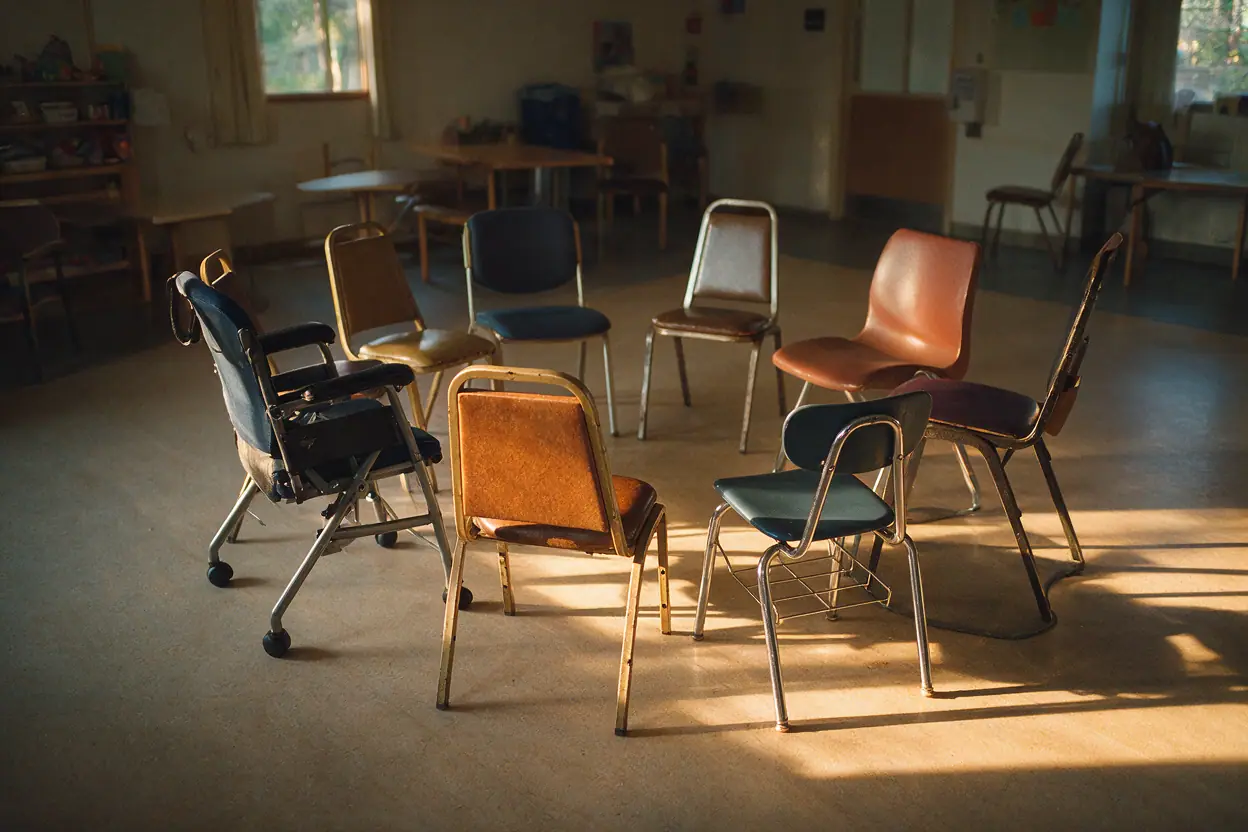
The partial hospitalization program Phoenix level of care serves people who need more than one therapy session a week but not round-the-clock supervision. According to SAMHSA FindTreatment.gov, 64 facilities in Phoenix are listed as offering partial hospitalization. Such programs usually meet several hours daily, several days weekly, and often blend group therapy, one-on-one counseling, medication management, and family sessions. Schedules differ by facility, but PHP is built as a bridge from inpatient care to standard outpatient treatment.
In Phoenix, a typical day may begin mid-morning with a check-in group, then a skills session covering things like handling cravings or managing stress. After a break, a process group might let people talk about what was hard that week, followed by a one-on-one session with a counselor. Some programs add medication management with a psychiatrist or nurse practitioner. Most PHP schedules meet three to five days weekly for a few weeks, though how long depends on your needs and progress. Many Phoenix drug rehab centers offer PHP as part of a full continuum of care, so you can step down to intensive or standard outpatient as stability grows.
Phoenix facilities and payment options
Among the 64 facilities listed in Phoenix, 62 accept private insurance and 53 accept Medicaid. If you have Arizona Medicaid, then 53 Phoenix PHP facilities accept it, which may broaden your choices. Medicare is accepted at 36 of these facilities, and 17 offer a sliding fee scale for people without insurance or with limited income. Arizona has adopted Medicaid expansion, so some adults may qualify for coverage under AHCCCS, the state Medicaid program.
Every program focuses on its own set of concerns. Among Phoenix PHP facilities, 61 address co-occurring substance use and mental health conditions, 56 have telehealth, and 17 serve people in Spanish. People needing addiction and mental health care together can look to 61 dual diagnosis programs in Phoenix, per SAMHSA listings. When getting to appointments is hard, telehealth can help people attend, though not every PHP service works remotely.

- take Medicaid
- 53
- take private insurance
- 62
- take Medicare
- 36
- provide reduced-fee scale
- 17
| Location | Location | Services | Takes |
|---|---|---|---|
| Recovia | Phoenix | Detox, PHP, IOP, Outpatient | Medicaid, Medicare, Insurance |
| Banner University Medicine | Phoenix | PHP, IOP, Outpatient | Medicaid, Medicare, Insurance, Sliding fee |
| Banner University Medical Center | Phoenix | PHP, IOP, Outpatient | Medicaid, Medicare, Insurance, Sliding fee |
| Choice Recovery Centers | Phoenix | PHP, IOP, Outpatient | Medicaid, Medicare, Insurance |
| Vogue Recovery Center | Phoenix | Detox, Residential, PHP, IOP, Outpatient | Medicaid, Insurance |
| Heal Recovery Center LLC | Phoenix | Residential, PHP, IOP, Outpatient | Medicaid, Medicare, Insurance |
| Camelback Recovery Treatment Center | Phoenix | Detox, PHP, IOP, Outpatient | Insurance |
| Camelback Physicians Group | Phoenix | Detox, PHP, IOP, Outpatient | Insurance |
| Helping Handz Counseling Services | Phoenix | PHP, IOP, Outpatient | Medicare, Insurance |
| Valley Hospital | Phoenix | Detox, PHP, IOP, Outpatient | Medicaid, Medicare, Insurance |
Based on SAMHSA FindTreatment.gov listings. Offerings and payment options shift; call to verify.

What to expect when you contact
- 1
Initial phone call
You will talk with an intake coordinator or advisor who asks about your substance use, your mental health history, and where you live. The call costs nothing, remains private, and you are not committing to any program.
- 2
Clinical assessment
A licensed clinician assesses whether PHP is the correct level of care in your case, or whether medical detox, inpatient care, or a less intensive outpatient program would suit you better. In making a recommendation, they may apply standard criteria such as the ASAM assessment.
- 3
Insurance and payment check
Staff will check your insurance benefits or talk through Medicaid coverage, self-pay rates, and sliding fee scales. With private insurance, federal parity rules generally call for mental health and substance use coverage to match medical coverage.
- 4
Start of programming
Once you are admitted, you will receive a schedule of groups and individual sessions. Most PHP programs ask for a commitment of several weeks, with regular reviews to see if you need more or less support.

Paying for care in Phoenix
Costs for partial hospitalization vary widely based on the facility, the number of hours per week, and whether you have insurance. Among the 64 PHP facilities in Phoenix, 62 accept private insurance and 53 accept Medicaid, which can significantly reduce out-of-pocket costs. If you are uninsured or underinsured, ask about sliding fee scales; 17 facilities in the area offer them. When you call a Phoenix rehab center, then ask for a written estimate of weekly costs, including any fees for medication management or psychiatry. The helpline advisors can help you understand your options, but they cannot guarantee coverage or admission.
Who partial hospitalization program
- People stepping down from inpatient or residential rehab who want more support than weekly outpatient therapy provides.
- A person with a dual diagnosis—a substance use disorder combined with a mental health condition like depression or anxiety—who needs coordinated care but not 24-hour monitoring.
- People who live in stable housing and have reliable transportation to attend several sessions a week in person.
- Those who need medication management or medication for opioid use disorder as part of their treatment plan.
Questions
How long does a partial hospitalization program in Phoenix last?
Length is not fixed, but most PHP programs last several weeks, commonly three to five days weekly. The 64 facilities listed in Phoenix may vary in typical duration according to clinical need and insurance approval. Your progress and continuing assessment decide when you move down to a less intensive level of treatment, like intensive outpatient or standard outpatient treatment.
Does AHCCCS cover partial hospitalization for substance use in Phoenix?
Arizona has adopted Medicaid expansion, and AHCCCS (Arizona Health Care Cost Containment System) may cover partial hospitalization for substance use treatment. Among the 64 PHP facilities in Phoenix, 53 accept Medicaid. Coverage details depend on your specific plan and medical necessity, so ask the facility to verify your benefits before you start.
What is the difference between PHP and inpatient rehab in Phoenix?
PHP is a structured day program that does not include overnight stays, while inpatient rehab provides 24-hour supervision and housing. In Phoenix, 40 facilities offer inpatient or residential rehab, and 64 offer partial hospitalization. PHP is often a step-down from inpatient care, allowing you to practice skills while living at home or in a sober living environment.
Can I work or go to school while attending a PHP in Phoenix?
That depends on the program's schedule and what you personally need. Many PHP programs meet several hours daily, several days weekly, which can be hard to balance with a full-time job. Some facilities have evening or telehealth options; 56 of the 64 Phoenix PHP facilities offer telehealth, which may add flexibility. Talk with the program about your schedule to see what can work.
How do I know if I need medical detox before starting PHP?
When the body is physically dependent on alcohol or benzodiazepines, withdrawal can be risky, and a clinician may need to oversee it. Phoenix has 42 facilities that provide medical detox. A clinical evaluation can determine whether detox is needed before PHP. Please do not attempt to taper or manage withdrawal yourself without medical advice.
What types of therapy are used in a partial hospitalization program?
PHP commonly involves group therapy, individual counseling, family therapy, and medication management. Many programs rely on evidence-based methods such as cognitive behavioral therapy (CBT) and dialectical behavior therapy (DBT). Of the 64 PHP facilities in Phoenix, 61 offer dual diagnosis treatment, meaning substance use and mental health conditions can be addressed together.